5 Common Car Damages and How They Are Repaired
Car damage can happen in seconds, whether it is caused by a minor parking accident, road debris, harsh weather, or a more serious collision. Even seemingly small damage can affect your vehicle’s appearance, safety, and long-term condition. Understanding common types of car damage and how they are repaired can help you make informed decisions when your vehicle needs professional attention.
At Elite Panel Repairs, we provide professional smash repairs and vehicle restoration services in Truganina, helping drivers restore damaged vehicles to a safe, functional, and presentable condition.
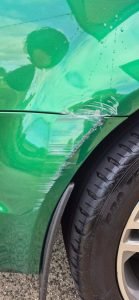
1. Scratches and Paint Damage
Scratches are among the most common types of vehicle damage. They can occur from car park incidents, tree branches, shopping trolleys, road debris, or everyday use.
How Are Car Scratches Repaired?
The repair method depends on how deep the scratch is. Minor surface marks may sometimes be polished or buffed to restore the finish. Deeper scratches that penetrate the paint or expose the underlying surface generally require more extensive preparation.
A professional repair may involve:
- Cleaning and assessing the damaged area
- Sanding and smoothing the surface
- Applying primer where required
- Colour-matching automotive paint
- Applying clear coat
- Polishing and finishing the repaired area
Professional colour matching is particularly important because an incorrect shade can make the repair noticeably different from the surrounding panels.
2. Dents and Dings
Dents can happen when another vehicle hits your car, a shopping trolley rolls into a panel, or an object impacts the bodywork. Small dents may not appear serious, but they can affect the appearance and, depending on their location, the structural integrity of a panel.
How Are Dents Repaired?
The appropriate repair depends on the dent’s size, depth, location, and whether the paint has been damaged.
For suitable minor dents, technicians may use paintless dent repair techniques. This method carefully reshapes the metal from behind the panel without requiring traditional painting.
For larger or more complicated dents, the damaged panel may require conventional panel beating. This can involve reshaping the metal, repairing the surface, preparing it for paint, and refinishing the affected area.
3. Bumper Damage
Bumpers are designed to help absorb impact, making them particularly vulnerable during low-speed collisions and parking accidents. Common bumper problems include cracks, scratches, dents, scuff marks, and broken mounting points.
How Is Bumper Damage Repaired?
First, the bumper is inspected to determine whether it can be repaired or needs replacement. Minor scratches and scuffs may be sanded, repaired, and refinished.
Cracked or significantly damaged bumpers may require specialised plastic repair techniques or replacement, depending on the extent of the damage.
Once repairs are completed, the bumper can be prepared and professionally painted to match the rest of the vehicle.
4. Collision and Panel Damage
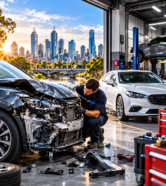
A more serious accident can cause extensive damage to doors, guards, bonnets, quarter panels, boot lids, and other body components. Collision damage may also involve misalignment that is not immediately obvious.
How Is Collision Damage Repaired?
Professional smash repairs generally begin with a detailed inspection. Technicians assess visible and underlying damage before determining the appropriate repair process.
Depending on the vehicle, repairs may include:
- Panel beating and reshaping
- Panel replacement
- Dent removal
- Frame or alignment assessment
- Replacement of damaged components
- Surface preparation
- Spray painting and colour matching
- Final finishing and inspection
The objective is not simply to make the damaged area look better. Proper repairs should restore the vehicle as closely as practical to its pre-accident condition.
5. Faded, Peeling, or Damaged Paint
Vehicle paint is exposed to sunlight, rain, road contaminants, dirt, and changing temperatures throughout its life. Over time, paint can fade, oxidise, peel, or lose its original gloss.
How Is Faded Paint Repaired?
The repair depends on the condition of the existing paint. If the damage is limited to surface oxidation, professional polishing may improve the appearance.
However, severely faded or peeling paint may require sanding, preparation, primer, colour application, and clear coating. Professional spray painting provides a controlled finish and helps restore the vehicle’s exterior appearance.
Why Professional Car Repairs Matter
Trying to repair significant vehicle damage without the right equipment or expertise can result in uneven surfaces, poor colour matching, premature paint failure, or hidden problems being overlooked.
Professional smash repair specialists have the tools, materials, and experience required to assess damage and select an appropriate repair method.
When Should You Get Your Car Inspected?
You should consider a professional inspection after a collision, even if the visible damage appears minor. Hidden damage can sometimes affect components behind the damaged panel.
It is also worth getting professional advice when you notice:
- New dents or unusual panel gaps
- Cracked bumpers
- Peeling or bubbling paint
- Deep scratches exposing the underlying surface
- Doors, bonnets, or boots that no longer close correctly
- Damage affecting lights or other exterior components
Why Choose Elite Panel Repairs in Truganina?
Elite Panel Repairs provides professional vehicle repair solutions for customers in Truganina and surrounding areas. Our services focus on quality workmanship, careful preparation, professional finishing, and reliable customer service.
Whether your vehicle has a minor dent, scratched paint, bumper damage, or more extensive collision damage, getting the problem assessed by experienced repair specialists can help prevent further issues and restore your vehicle’s appearance.
Frequently Asked Questions
What is the most common type of car damage?
Scratches, dents, bumper damage, and minor paint damage are among the most common issues caused by parking incidents, everyday driving, road debris, and minor collisions.
Can all car dents be repaired?
Not necessarily. The repairability of a dent depends on its size, location, depth, metal condition, and whether the paint has been damaged. A professional inspection can determine the most suitable approach.
How long do car repairs take?
Repair times vary depending on the type and extent of damage, parts availability, preparation requirements, painting, and finishing. A professional assessment provides a more accurate timeframe.